
Understanding 3-Phase Voltage Regeneration
Most Common Causes of 3-Phase Regenerated Voltages – Why This Matters!
3-phase voltage regeneration can pose a significant challenge for industrial and commercial operations. Left unchecked, it can lead to system inefficiencies, equipment malfunctions, or even costly downtime. By understanding the root causes of voltage regeneration, businesses can take proactive steps to maintain smooth and efficient operations.
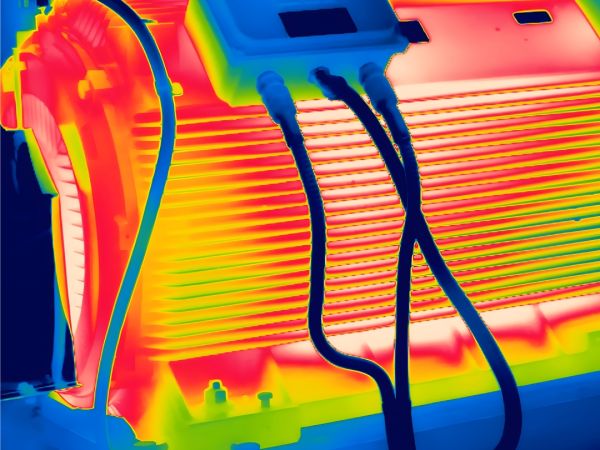
What Is 3-Phase Voltage Regeneration?
3-phase voltage regeneration occurs when energy flows back from the motor or driven equipment into the power supply system. This backward energy flow can create voltage fluctuations and potentially disrupt the stability of the electrical system.
Most Common Causes of 3-Phase Voltage Regeneration
Overhauling Loads
- Description: Overhauling loads occur when the driven equipment moves faster than the motor, causing the motor to act as a generator
- Example Applications: Elevators, cranes, and conveyors on a downhill slope
Rapid Deceleration
- Description: When motors decelerate quickly, the kinetic energy stored in the system has nowhere to go but back into the power grid
- Example Applications: High-speed manufacturing equipment and robotics
Frequent Start-Stop Cycles
- Description: Systems with frequent start and stop operations often produce regenerative energy due to abrupt speed changes
- Example Applications: Packaging machines and material handling systems
Large Inertia Loads
- Description: Heavy machinery with significant inertia continues to move after the motor power is cut, generating energy that flows back into the system
- Example Applications: Industrial presses and large flywheels
Back-Driving Events
- Description: External forces causing a motor to turn in the opposite direction, leading it to function as a generator
- Example Applications: Wind gusts on external rotary equipment
Motor Overspeed
- Description: Motors operating above their rated speed can generate regenerative energy
- Example Applications: Variable-speed drives used in fans or pumps
How to Prevent and Manage Voltage Regeneration
From a cost/time perspective, this can be split into two:
Low Cost/Quick Solution:
- Routine Maintenance: Regularly inspect motors and systems to identify potential causes of voltage regeneration
- Installation of 3-Phase Voltage Monitoring Relay: Use to detect voltage fluctuations caused by regeneration, helping to prevent system instability and equipment damage before issues escalate
High Cost/Longer Term Solution:
- Dynamic Braking Resistors: Absorb excess regenerative energy
- Regenerative Drives: Capture and redirect energy back to the power system or battery storage
- Energy Storage Solutions: Store regenerative energy for later use
- Load Balancing Techniques: Distribute loads evenly to prevent regeneration
How to Protect Your Equipment against Voltage Regeneration
To mitigate the risks associated with regenerative voltages, regular maintenance and monitoring are essential. Installing 3-Phase Voltage Monitoring Relay(s) can provide early detection and protection, helping prevent downtime, enhance the efficiency, stability and longevity of your electrical systems.
