
Why Phase Sequence Matters in Three-Phase Systems
Three-phase electrical systems are widely used throughout industry to power motors, pumps, compressors, conveyors, fans and other rotating equipment. Compared to a single-phase supply, a three-phase system provides smoother torque, higher efficiency and greater power density, making it the preferred choice for industrial applications.
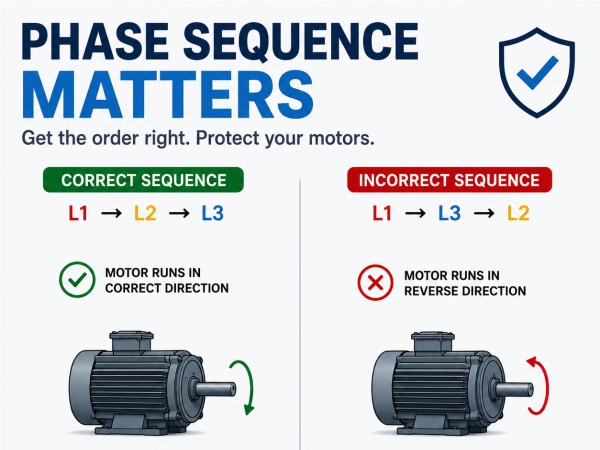
Introduction
When installing or commissioning a three-phase system, engineers often verify that all three phases are present and that the supply voltage is within specification. However, one equally important characteristic is frequently overlooked – the phase sequence.
Even when all three phases are present and at the correct voltage, connecting them in the wrong order will reverse the rotating magnetic field produced within a three-phase motor. As a result, the motor will rotate in the opposite direction, leading to equipment damage, production downtime and safety hazards.
This application note explains what phase sequence is, why it matters, the problems caused by incorrect phase rotation and how three-phase monitoring relays help prevent these issues.
What is Phase Sequence?
A three-phase AC supply consists of three sinusoidal voltages, each displaced by 120 electrical degrees.
These conductors are commonly referred to as: L1, L2 and L3.
The order in which these phases reach their peak voltage is known as the phase sequence (sometimes called phase rotation). Under normal conditions the sequence is: L1 → L2 → L3
This creates a rotating magnetic field that turns in the intended direction inside a three-phase induction motor. If any two phases are interchanged, for example: L1 → L3 → L2 the rotating magnetic field reverses direction, causing the motor to rotate in the opposite direction. These scenarios are shown in Figure 1 below.
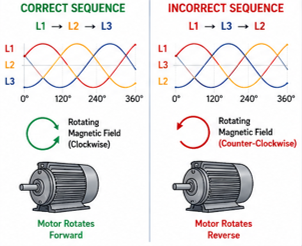
Figure 1: Correct and Incorrect Phase Sequence
Note: Phase conductor colours vary between countries and electrical standards. The colours shown in this application note are for illustrative purposes only. The phase sequence (L1, L2 and L3) is important, not the conductor colours themselves.
Unlike voltage level or frequency, the phase sequence cannot be identified simply by measuring the voltage between conductors. A dedicated phase sequence indicator or monitoring relay is required to confirm that the phases are connected in the correct order.
How Three-Phase Motors Work (The Basics)
Three-phase induction motors rely on the rotating magnetic field created by the stator windings. As the three sinusoidal currents flow through the windings, they produce a continuously rotating magnetic field. The rotor follows this rotating field, causing the motor shaft to turn. The direction of rotation depends entirely on the order in which the phases are applied.
When the correct phase sequence is present:
- The magnetic field rotates in the intended direction
- The rotor accelerates in the same direction
- The driven equipment operates correctly
If two phases are reversed:
- The magnetic field immediately rotates in the opposite direction
- The rotor also rotates in reverse
- The connected equipment attempts to operate backwards
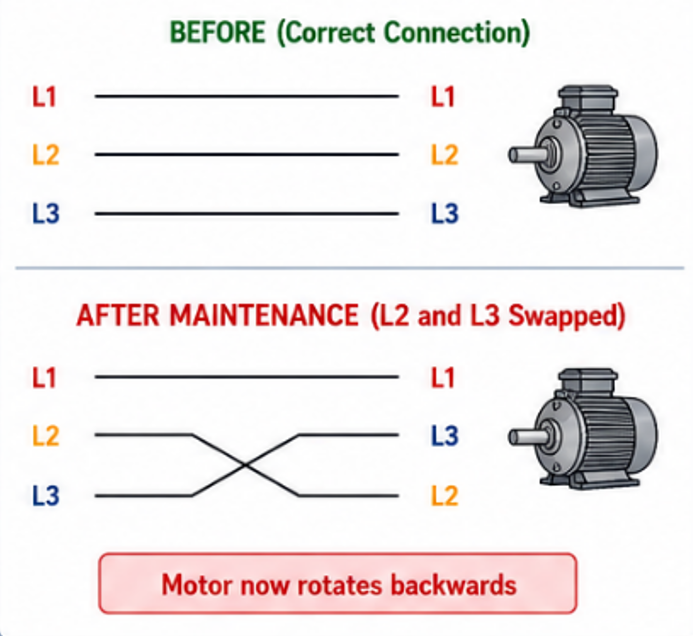
Figure 2: Swapping Two Phases During Maintenance
For most industrial motors there is nothing within the motor itself that prevents this from happening.
Why Incorrect Phase Sequence is a Problem
In some applications, reverse rotation may simply prevent equipment from operating correctly. In others, it can result in significant mechanical damage or create serious safety hazards.
Examples include:
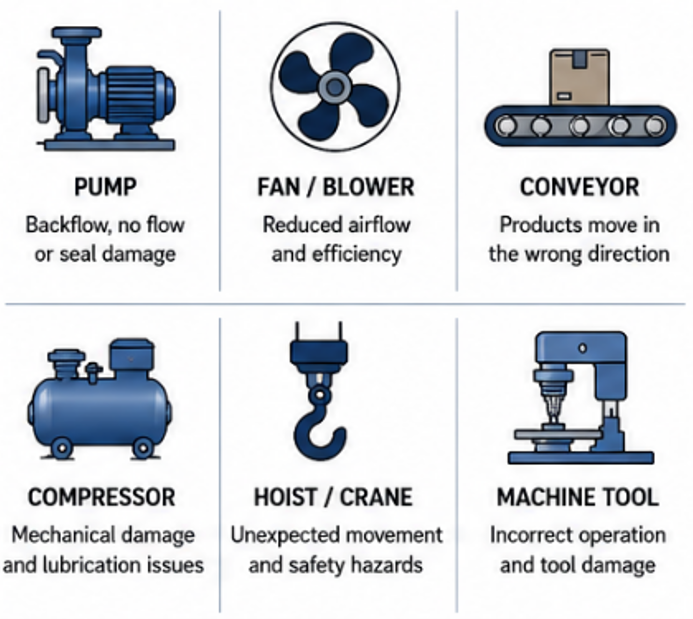
Figure 3: Typical Applications Affected by Reverse Rotation
| Application | Possible Consequences |
| Pumps | Impeller rotates backwards resulting in little or no flow, possible seal damage and overheating |
| Conveyors | Products travel in the wrong direction, disrupting production or causing collisions |
| Fans and Blowers | Reduced airflow, poor cooling performance and lower efficiency |
| Compressors | Incorrect rotation can damage compressor mechanisms and reduce lubrication. |
| Hoists and Cranes | Unexpected movement may present serious safety risks |
| Machine Tools | Incorrect spindle rotation may damage tooling, workpieces or the machine itself |
For many installations, identifying an incorrect phase sequence before equipment is energised can prevent expensive repairs and unnecessary downtime.
When Does Incorrect Phase Sequence Occur?
Phase sequence errors are usually introduced during installation or maintenance rather than occurring naturally on the electrical supply.
Common causes include:
- Initial installation of new equipment
- Replacement of motors
- Maintenance work on control panels
- Generator or temporary power connections
- Swapped conductors during wiring
- Incorrect termination after cable replacement
- Commissioning following electrical modifications
Since all three phases remain present, the fault is often not immediately obvious until the motor starts.
Why Voltage Measurements Alone Are Not Enough
Many engineers assume that measuring the line-to-line voltages confirms the supply is correct.
For example, a healthy three-phase supply may show:
- L1-L2 = 400 V
- L2-L3 = 400 V
- L3-L1 = 400 V
However, these measurements provide no indication of the order in which the phases are connected.
Two phases can be accidentally interchanged while the measured voltages remain perfectly normal.
This is why checking phase sequence forms an important part of the commissioning process for three-phase installations.
Detecting Incorrect Phase Sequence
Traditionally, engineers used portable phase rotation meters during installation.
While suitable for commissioning, these instruments only provide a snapshot of the supply condition.
Modern three-phase monitoring relays continuously supervise the supply and can detect:
- Incorrect phase sequence
- Phase loss
- Undervoltage
- Overvoltage
- Voltage imbalance (depending on model)
If an unacceptable condition is detected, the relay prevents the equipment from starting or removes power before damage can occur.
Continuous monitoring provides protection long after the installation has been commissioned.
Typical Applications
Three-phase monitoring relays are commonly used to protect:
- Industrial motors
- Water and wastewater pumping stations
- HVAC systems
- Refrigeration and air-conditioning plant
- Compressors
- Conveyor systems
- Machine tools
- Packaging machinery
- Hoists and lifting equipment
- Generator changeover systems
- Process control equipment
Any application where the correct direction of motor rotation is essential can benefit from continuous phase sequence monitoring.
Intentional Reverse Operation
Whilst most applications require a fixed direction of rotation, there are situations where reversing the motor is an intentional part of normal operation. Examples include hoists, cranes, winches, positioning systems, machine tools and certain conveyor systems where forward and reverse operation is controlled by the motor starter or variable speed drive. In these applications, the phase sequence supplied to the motor is deliberately changed under controlled conditions to reverse the direction of rotation. Where this is expected, a three-phase monitoring relay should not include phase sequence monitoring, as it would prevent the equipment from operating as intended. Instead, a relay providing protection against phase loss, undervoltage, overvoltage and voltage imbalance may be the more appropriate choice.
Selecting a Three-Phase Monitoring Relay
When selecting a relay, it is important to consider more than just phase sequence detection.
Additional monitoring functions may include:
- Phase loss detection
- Overvoltage protection
- Undervoltage protection
- Voltage imbalance monitoring
- Adjustable response delays to prevent nuisance tripping
- Wide supply voltage ranges
Selecting a relay that combines multiple protection functions simplifies panel design while improving system reliability.
Conclusion
Correct phase sequence is an essential requirement for the safe and reliable operation of most three-phase motors and rotating machinery. Although supply voltages may appear normal, interchanging any two phases reverses the rotating magnetic field, causing motors to run in the opposite direction and potentially leading to equipment damage, process disruption or safety hazards.
Three-phase voltage monitoring relays provide continuous supervision of the incoming supply, ensuring equipment is only energised when the supply conditions are acceptable. Depending on the application, protection may include phase sequence, phase loss, overvoltage, undervoltage and voltage imbalance.
Broyce Control offers a comprehensive range of three-phase voltage monitoring relays to suit a wide variety of industrial applications. Models such as the LXPRT provide comprehensive monitoring including phase sequence detection where correct direction of rotation is essential, whilst the LXPRC/S range is available for applications where phase sequence monitoring is not required, allowing engineers to select the most appropriate level of protection for their installation.
Related Engineering Guides
- Why Phase Sequence Matters (this guide)
- Understanding Phase Loss
- Protecting Against Voltage Imbalance
- Overvoltage and Undervoltage Explained
- Selecting the Right Three-Phase Monitoring Relay
