

A phase loss fault is the condition caused by blown fuses, tripped circuit breakers, cable damage, open circuits, poor/loose connections and worn contacts. Allowing this fault to persist can lead to equipment failures and machine downtime.
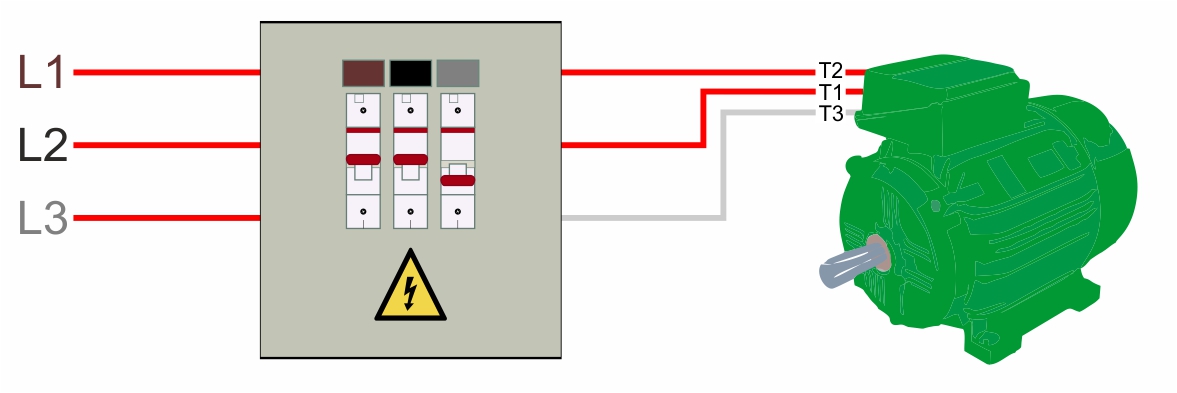
During a phase loss condition, 3-phase motors, pumps and compressors will tend to draw excessive current in the remaining two connected phases leading to overheating of the motor windings, reduction in speed which itself could cause the motor to vibrate and become unsafe.
Allowing motors to run with a lost phase there is a tendency for the motor itself to re-generate the voltage on the missing phase – albiet at a lower potential. For some phase loss relays, this may go undetected since the relay assumes all phases are still connected. In this scenario, it is desirable to fit a relay that also has undervoltage detection. Accurate setting of the undervoltage trip level will guarantee the relay de-energises in the event of a phase loss condition.
In all of the above scenarios, installing a phase failure relay will offer the best protection against costly damage. It’s sole purpose being to detect faults and turn the equipment off as quickly as possible.
